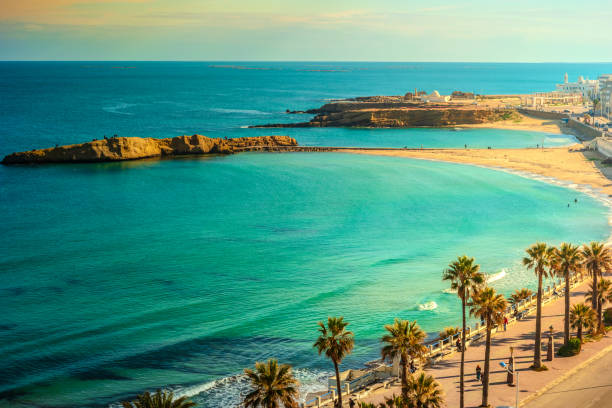
Things to Do in Sousse Medina — Complete 2026 Guide
Complete guide to things to do in Sousse medina — the UNESCO-listed old city. Visit the Ribat fortress, Great Mosque, Kasbah Museum, and artisan souks. What to do in Sousse, Tunisia 2026.

Things to Do in Sousse Medina — The Complete Insider Guide
Sousse’s medina is one of North Africa’s most accessible and rewarding UNESCO World Heritage Sites. Unlike the labyrinthine complexity of Tunis or Fez, Sousse’s old city is compact — roughly 1 km across — and navigable in 2–3 hours at a relaxed pace. Yet it packs 9th-century architecture, one of Tunisia’s finest fortress towers, an excellent archaeological museum, and a traditional artisan quarter into that small footprint.
This guide covers everything worth doing in the Sousse medina, from the major historical monuments to the best cafes and souk experiences.
The Sousse Medina at a Glance
| Feature | Detail |
|---|---|
| UNESCO Status | World Heritage Site since 1988 |
| Founded | 9th century AD (Aghlabid period) |
| Size | Approximately 1 km × 0.8 km |
| Visit time | 2–3 hours with guide, 1.5 hours self-guided |
| Best time to visit | Early morning (7–10am) or evening (4–7pm) |
| Entrance | Free (medina walls) — paid entry to Ribat, Kasbah Museum |
1. The Ribat of Sousse — Sea Views from an 8th-Century Watchtower
The Ribat of Sousse (Ribat es-Soufr) is the medina’s centrepiece and the most photographed building in the city. Built in 796 AD as a combined fortress and Islamic monastery, it overlooks the sea from the medina’s northern corner.
What to do at the Ribat:
- Climb the 73-step nador tower for panoramic views of the medina rooftops and the Gulf of Hammamet
- Explore the prayer hall and the cells where Islamic scholars once lived and studied
- Visit in late afternoon for the best golden light on the tower’s golden stone exterior
Entrance: Approximately 5–8 TND (€1.50–€2.50) | Hours: 8:30am–5:30pm (closed Mondays in winter)
2. The Great Mosque of Sousse — North Africa’s Ancient Sacred Architecture
The Great Mosque of Sousse (Zaouia Sidi Abid) was founded in the 9th century and expanded multiple times. Its architecture is one of the purest examples of Aghlabid Islamic design in Tunisia — a large courtyard surrounded by arcaded galleries, with a distinctive multi-storey tower.
Note: Non-Muslim visitors can view the Great Mosque from the entrance courtyard but typically cannot enter the prayer hall. The exterior courtyard and the facade are accessible and architecturally remarkable.
Location: Centre of the medina, directly south of the Ribat | Free to view
3. The Kasbah Museum — Tunisia’s Best Regional Archaeological Collection
The Kasbah of Sousse houses the National Museum of Sousse — a world-class collection of Roman and Punic artefacts excavated from the Sousse region and the site of ancient Hadrumentum (which occupied this location before the Arab city).
Highlights of the Kasbah Museum:
- The Mosaic collection — extraordinary Roman floor mosaics including the Head of Medusa and Dionysian scenes, some of the finest outside Tunis’s Bardo Museum
- Punic funerary objects from Sousse’s pre-Roman period (8th–2nd century BC)
- The Kasbah tower itself — climb to the battlements for views across the medina
- Roman statuary — portrait busts and decorative sculpture from Hadrumentum’s villas and public buildings
Entrance: Approximately 8–12 TND (€2.50–€4) | Hours: 9am–5pm (closed Mondays)
4. The Artisan Souk — Authentic Shopping Without the Tourist Markup
The Sousse medina’s commercial souk quarter occupies the southern and central streets. Unlike Tunis’s souk — where tourist density inflates prices significantly — Sousse’s market remains genuinely oriented toward local buyers, which keeps prices honest.
What to look for in the Sousse souk:
- Traditional textiles — hand-woven blankets, embroidered tablecloths, and traditional Tunisian shawls
- Ceramics and pottery — Tunisian hand-painted tilework and cooking pottery at local prices
- Spices — cumin, coriander, harissa paste, and saffron sold by weight
- Silver jewellery — Berber-style rings, bracelets, and traditional amulets
Negotiation tip: First offer 40–50% of the initial quoted price; most sellers expect to meet at 60–70% of their opening price. Never feel obligated to buy after entering a shop.
5. The Medina Walls — A 9th-Century Defensive Circuit
The outer walls of the Sousse medina are largely intact from the 9th century — a circuit of whitewashed or yellow limestone ramparts punctuated by square towers. Walking the exterior perimeter takes about 30 minutes and provides excellent photographs of the fortifications against the blue sky and the sea beyond.
The best viewpoint of the walls from outside is from the Place du Palais (south-west corner) and from the corniche road along the northern sea-facing section.
6. Cafe Life Inside the Medina — Where Sousse Slows Down
Cafe Sidi Bou Makhlouf — on the square beside the Ribat — is the most atmospheric spot in the Sousse medina for a traditional mint tea. Sit at the narrow street-side tables and watch the morning foot traffic move through the archways. A tea costs 2–3 TND (under €1).
Other worthwhile medina cafes:
- Cafe des Nattes — traditional low-slung benches and chessboards
- Medina terrace cafes — several informal rooftop spots above the souk streets serving coffee and shisha
7. The Zaouia of Sidi Abid el Ghariani — Hidden Jewel Tilework
The Zaouia of Sidi Abid is one of the medina’s hidden architectural gems — a 14th-century Islamic shrine and spiritual school with extraordinary carved plasterwork, painted wooden ceilings, and polychrome tilework. It is smaller and less famous than the Great Mosque, which means it is usually uncrowded.
Location: Eastern quarter of the medina, near the Bab el Gharbi gate | Free access (exterior courtyard)
Practical Guide: Visiting the Sousse Medina
Best time to visit: Early morning (7–10am) for the quietest streets and best light, or late afternoon (4–7pm) when market stalls are most active.
Getting there: The medina is a 10–15 minute walk from Port El Kantaoui (8 km taxi: approximately €5) or from the Sousse beach hotel zone (5 minute walk from the corniche).
Guided tour: A medina walking tour with a certified guide costs €10–€20/person and takes 2–3 hours. Book through your hotel or the Sousse Tourist Office.
Safety: The Sousse medina is safe for tourists. Keep standard awareness and secure valuables. Avoid buying carpets or jewellery on the first day — compare prices and quality before committing.
Currency: Bring Tunisian dinars (TND) for souk purchases. Most monument ticket offices accept cash only.
Day Trips from Sousse Medina
After the medina, consider these half-day and full-day excursions:
- El Jem Roman Amphitheatre — 60 km south, 45 min drive (€20–€35/person organised trip)
- Kairouan Holy City — 57 km west, 1 hour drive (€30–€50/person full day)
- Monastir Ribat — 20 km south, 20 min drive (€15–€25/person half day)
- Port El Kantaoui Boat Trip — 8 km north, marina departures daily (€15–€25/person)
Book Your Sousse Hotel
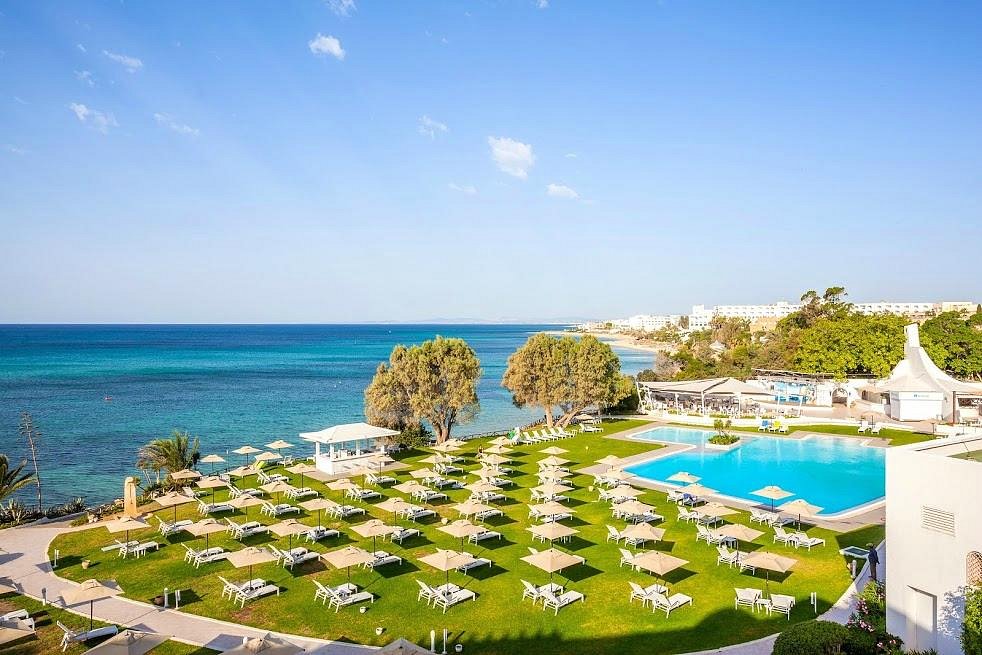
Staying close to the Sousse medina puts all of these attractions within walking distance. The best-located Sousse hotels for medina access:
- Mövenpick Resort & Marine Spa Sousse (Port El Kantaoui) — 8 km north, luxury beachfront
- Sousse Palace Hotel & Spa — 5 km north, marina views
- Riadh Palms Resort — beach access, good value, close to medina
FAQ: Things to Do in Sousse Medina
How long does it take to explore the Sousse medina? 2–3 hours is ideal — enough to visit the Ribat, Kasbah Museum, Great Mosque exterior, the main souk streets, and have a mint tea at a medina cafe. Add 1 hour if you browse the souk in depth.
Is the Sousse medina safe for solo travellers? Yes — Sousse medina is safe for solo travellers, including solo women. It is smaller and less intense than Tunis’s medina. The main risk is persistent carpet and souvenir sellers; a firm “no thank you” (in French: “non merci”) is always respected.
What should I wear to visit the Sousse medina? Dress modestly — covered shoulders and knees are respectful and practical. This is especially important near the Great Mosque. Comfortable walking shoes are essential for the cobblestone and paved streets.
Can I visit the Great Mosque of Sousse? Non-Muslim visitors can view the mosque from the main entrance courtyard but are not typically permitted to enter the prayer hall. The exterior architecture is visible from outside the perimeter walls.